





AMBCrypto - 8/12/2026 12:03:09 AM - GMT (+0 )

Despite Ethereum’s [ETH] prolonged price weakness, holders have continued moving more supply into staking rather than withdrawing. Total staked ETH rose from roughly 36 million in early 2026 to a record 41.9 million, even as the dominant altcoin fell toward $1,800.
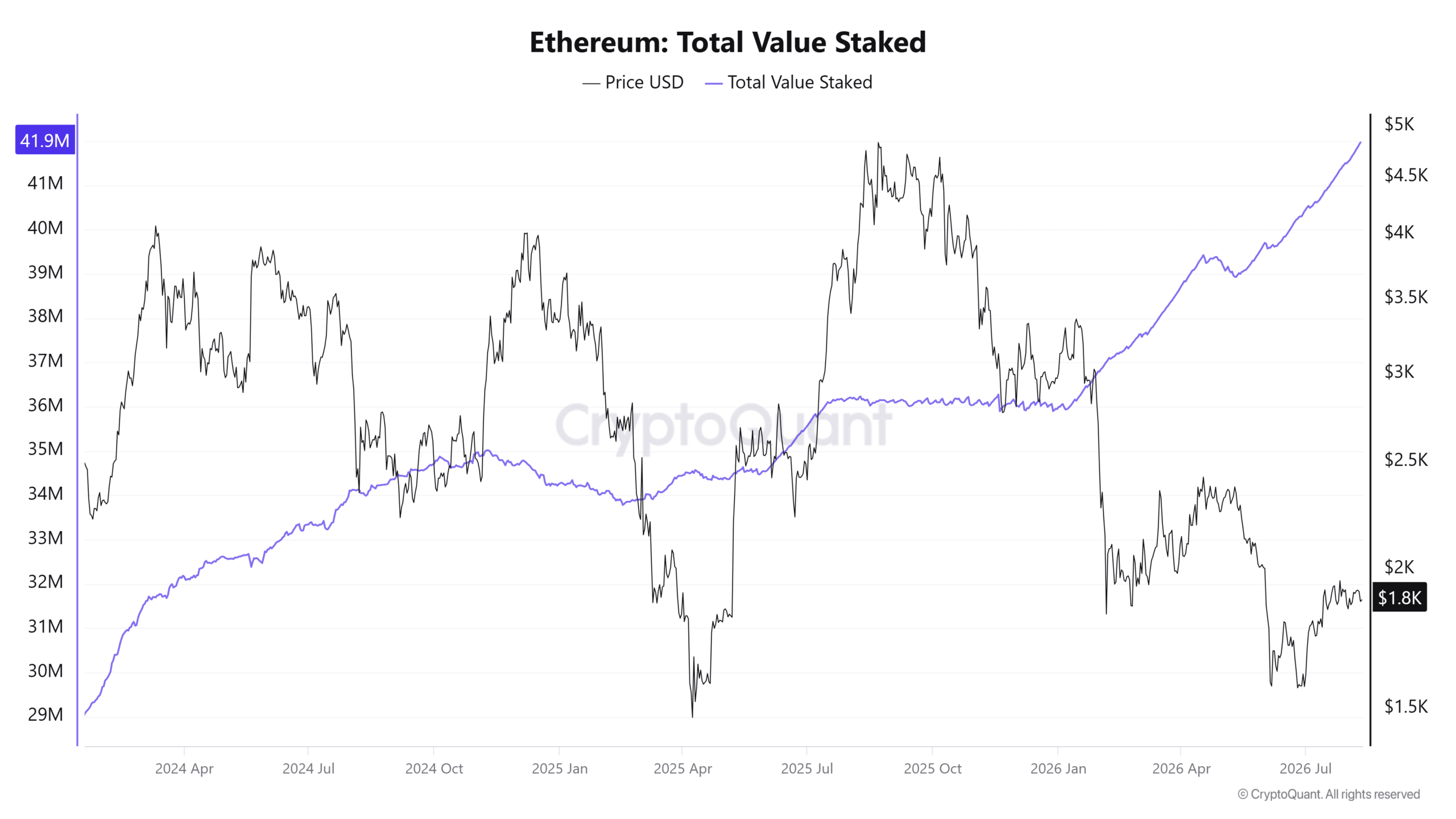
This steady increase suggests lower prices have not weakened the incentive to lock ETH for yield. Since staking is absorbing additional Ethereum supply through this downtrend, it also reduces the immediate amount available for trading.
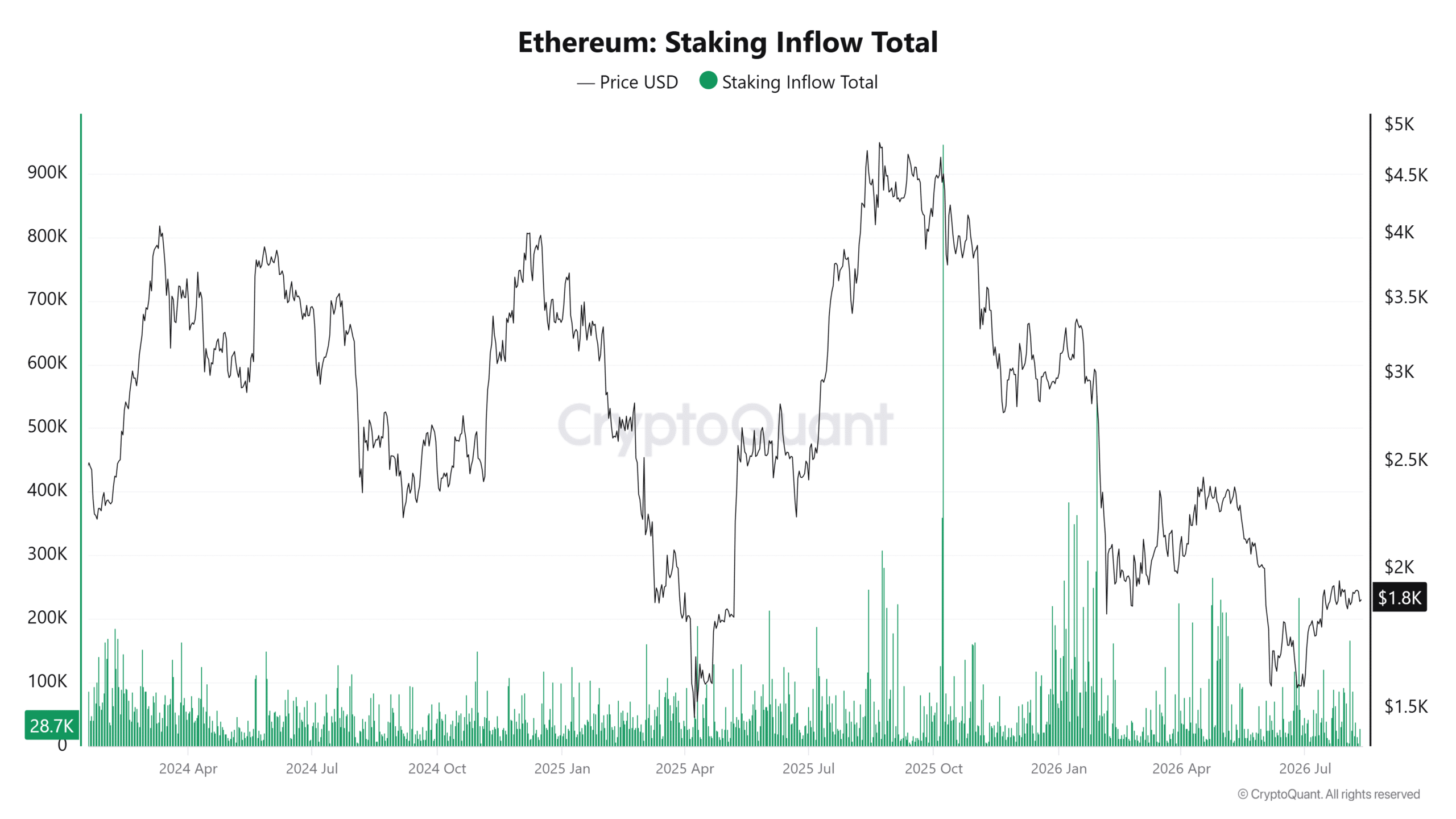
That said, approximately one-third of ETH is currently staked on the network. In light of this, EIP-8363, dubbed “Tapered Issuance Burn,” aims to alter the way new participation on Ethereum will be rewarded.
Under the proposal, validator rewards are set to decrease in proportion to increases in staking ratios. At approximately the current 33% staking ratio, annual issuance would begin to trend downward at a rate lower than the present reward structure, eventually approaching an issuance rate of less than .8%.
Near the current 33% staking ratio, annual issuance would drop toward 0.8%, below the existing reward curve. Later on, issuance would continue falling until reaching zero as staking approaches 50% of supply.
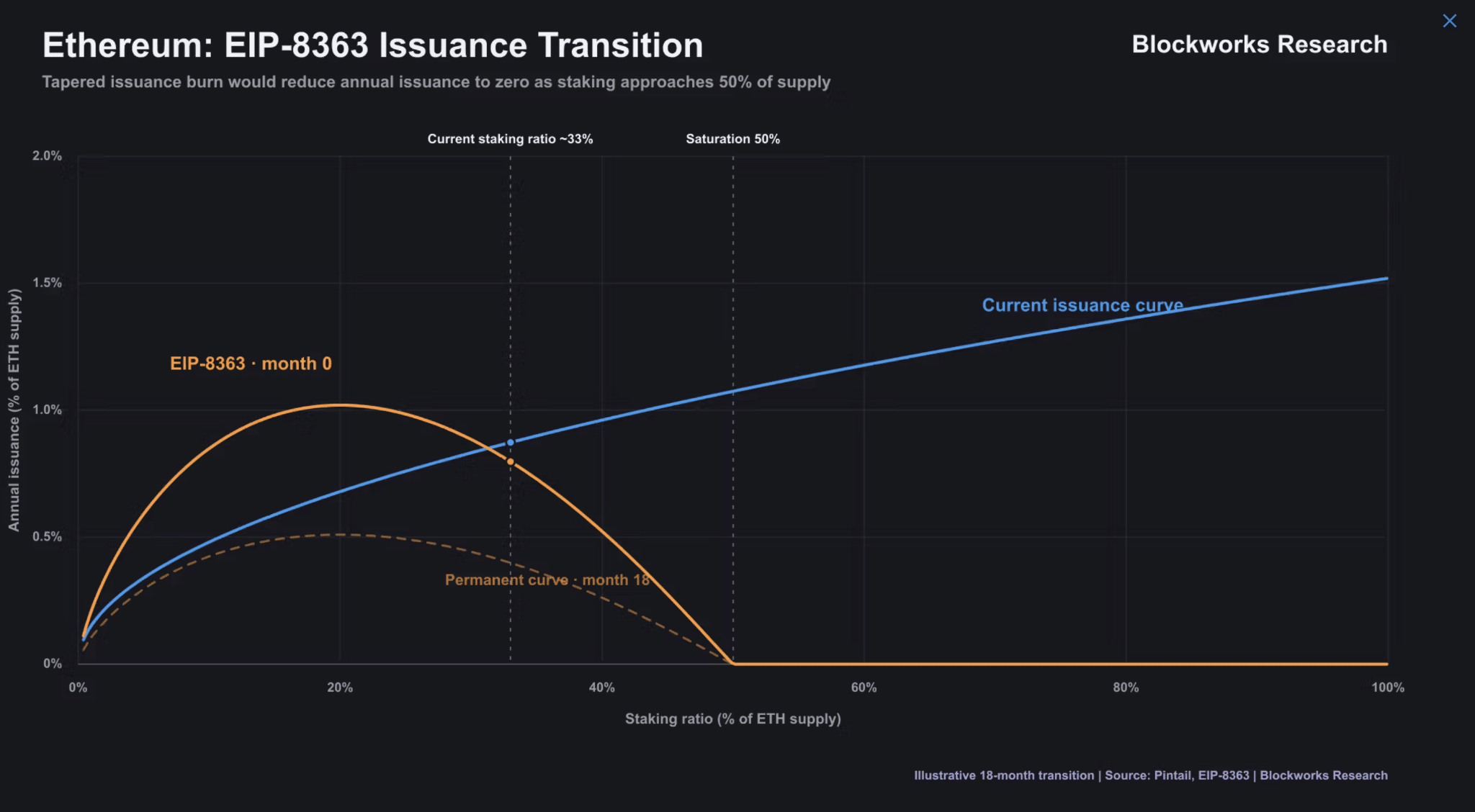
As a result of this shift, this would reduce the incentive to keep locking additional ETH while limiting dilution for unstaked holders. However, reduced yields may reduce interest from institutional investors in purchasing or utilizing liquid staking products. This would then contribute to weakened yield-based investment strategies.
EIP-8363 could therefore contain staking-driven issuance, but only by reducing an incentive supporting parts of Ethereum’s staking economy.
BitMine highlights institutional staking yield risk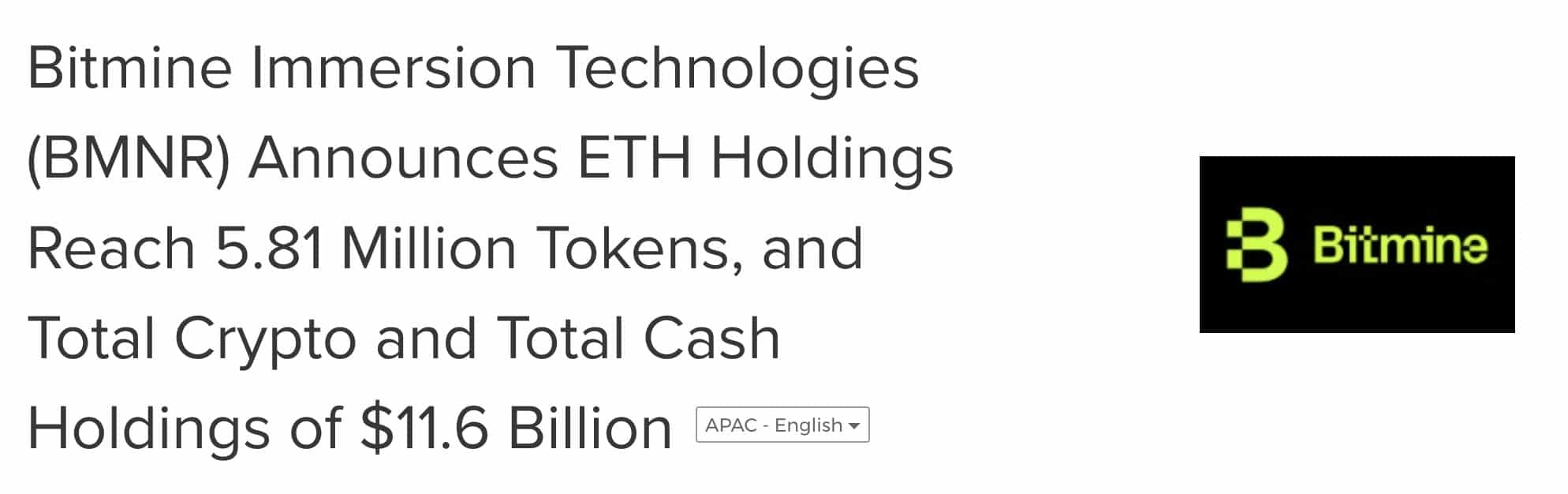
read more